

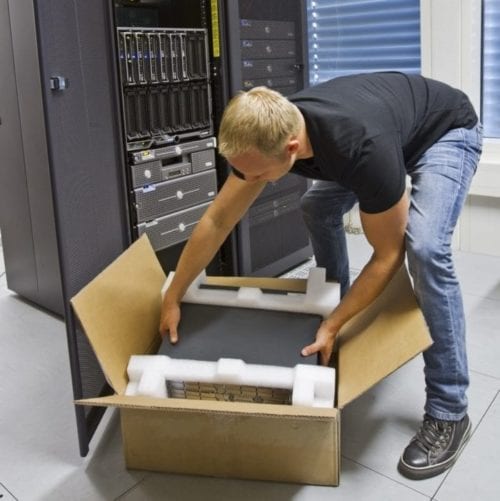
Your server room is packed with equipment collecting dust instead of generating revenue. Whether you just finished a data center refresh or inherited a closet full of decommissioned hardware, this guide covers every legitimate option for the best places to sell used IT equipment with honest pros and consQuick Answer
For enterprise equipment (50+ units or any compliance requirements), work with an R2-certified ITAD vendor. For consumer gear in small quantities, online marketplaces work fine.
Table of Contents
$54B
Projected ITAD Market by 2030
$62B
Recoverable Value Lost Annually
$4.88M
Average Data Breach Cost (2024)
22.3%
E-Waste Properly Recycled
Why Selling IT Equipment Matters More Than Ever
The numbers paint a clear picture. The global ITAD market hit $25 billion in 2024 and is projected to reach $54 billion by 2030, according to Grand View Research. That growth reflects the reality that businesses are finally recognizing the value sitting in their storage closets.
Consider this: 62 million tonnes of e-waste were generated globally in 2022, but only 22.3% was properly recycled. The UN estimates that $62 billion in recoverable value is lost annually because organizations don’t know how to monetize their retired equipment.
Meanwhile, the average data breach now costs $4.88 million (IBM, 2024). Selling equipment without proper data destruction isn’t just environmentally irresponsible—it’s a potential catastrophe for your organization.
The Good News
With the right approach, you can recover significant value while staying compliant and sustainable. The equipment collecting dust in your server room likely has more value than you think.
Consumer vs. Enterprise: Two Different Paths
Not all IT equipment follows the same selling path. The first decision you need to make is whether you’re dealing with consumer-grade or enterprise-grade hardware.
Consumer-grade equipment includes personal laptops, desktop computers, tablets, consumer networking gear (home routers, mesh systems), and individual components like RAM sticks or graphics cards. This equipment typically sells well through online marketplaces where individual buyers are shopping, unless its being sold in high-volume lots.
Enterprise-grade equipment includes rack servers, blade systems, SAN/NAS storage arrays, enterprise networking (Cisco, Juniper, Arista switches and routers), and data center infrastructure. This hardware requires specialized buyers who understand its value and can handle logistics at scale.
How to Decide Where to Sell Your Used IT Equipment
| Your Situation | Best Path |
|---|---|
| 1-10 consumer items, no sensitive data | Online marketplaces |
| 1-10 enterprise items, no compliance needs | IT brokers or marketplaces |
| 10-50 items of any type | IT brokers or ITAD vendors |
| 50+ items or any compliance requirements | Certified ITAD vendors |
| Data center decommission | Full-service ITAD |
| Healthcare, finance, or government | Certified ITAD only |
Certified ITAD Vendors
Best for: Enterprise equipment, bulk quantities, compliance requirements
ITAD (IT Asset Disposition) vendors are specialists who handle the entire lifecycle of retiring IT equipment. They’ll evaluate your hardware, provide secure logistics, destroy data to certified standards, and either resell equipment on your behalf or purchase it outright.
What Makes ITAD Vendors Different
Unlike selling on eBay or through a local broker, certified ITAD vendors provide documented chain of custody, certified data destruction, environmental compliance, and liability protection. For organizations in regulated industries—healthcare, finance, government, or any company handling personal data—this isn’t optional.
Certifications That Actually Matter
R2v3 (Responsible Recycling Standard) is the most widely adopted ITAD certification globally, with over 1,000 certified facilities across 40+ countries. R2 certification requires documented data sanitization processes, environmental responsibility throughout the disposition chain, and downstream vendor accountability.
e-Stewards is the most stringent global certification. e-Stewards-certified facilities cannot export hazardous e-waste to developing countries, must hold NAID AAA certification for data destruction, and submit to unannounced audits.
NAID AAA Certification is the gold standard specifically for data destruction. NAID-certified facilities undergo both scheduled and surprise audits, maintain strict chain-of-custody documentation, and provide Certificates of Destruction that can satisfy regulatory auditors.
How ITAD Pricing Works
ITAD vendors typically operate on one of three models:
- Buyback/Purchase: The vendor pays you for equipment that has resale value. Expect 40-80% of wholesale market value depending on equipment condition, age, and current demand.
- Revenue Share: The vendor takes possession of equipment, sells it on your behalf, and splits proceeds. Common splits range from 50/50 to 80/20 in your favor for high-value equipment.
- Fee for Service: For equipment with minimal resale value, you may pay a processing fee covering secure logistics, data destruction, and responsible recycling.
Online Marketplaces
Best for: Consumer equipment, individual items, small quantities
Online marketplaces put you in direct contact with buyers, which can mean higher prices—but also more work and more risk.
eBay
eBay remains the largest marketplace for used electronics, with a massive buyer base and established trust systems.
What sells well: Consumer laptops and desktops (especially Apple products), graphics cards, consumer networking gear, individual enterprise components (RAM, CPUs, drives), and vintage or collectible tech.
What doesn’t sell well: Complete enterprise servers (too expensive to ship, niche buyer pool), high-value networking equipment (buyers want warranty and support).
Fees: Approximately 13-15% of the final sale price including payment processing.
Facebook Marketplace
Works well for local sales, eliminating shipping headaches for large or heavy items. No seller fees, but limited buyer pool for specialized equipment.
Reddit r/hardwareswap
Surprisingly active community for computer components, with knowledgeable buyers who understand fair pricing. Best for PC components and items with enthusiast appeal.
Advantages
- Potentially higher prices through direct sales
- You control pricing and timing
- Works well for consumer equipment with broad appeal
- Immediate payment through platform protections
Disadvantages
- Significant time investment to list, photograph, and manage sales
- You handle shipping, returns, and customer service
- No data destruction or compliance documentation
- Platform fees eat into margins
- Doesn’t scale, selling 50 items individually is a full-time job
IT Equipment Brokers & Dealers
Best for: Enterprise networking, high-value servers, quick sales
IT brokers act as middlemen between sellers and buyers, purchasing equipment outright or selling on consignment.
How Broker Relationships Work
Most brokers specialize in specific equipment categories—Cisco networking, Dell/HPE servers, storage arrays—and have existing relationships with buyers. They understand what equipment is worth and can move it quickly through their channels.
Outright purchase: The broker buys your equipment immediately at a discount from market value (typically 40-60% of what they’ll sell it for). You get fast payment and walk away.
Consignment: The broker takes possession, lists equipment in their sales channels, and pays you when it sells (minus their commission, usually 20-40%). Higher potential return, but you wait for payment.
Warning Signs
Avoid brokers who lowball dramatically, won’t explain their pricing, or pressure you into quick decisions. Reputable brokers can justify their offers based on current market conditions.
Advantages
- Fast transactions—often payment within days
- They understand enterprise equipment value
- Less work than selling items individually
- Good for high-value networking gear
Disadvantages
- Lower returns than direct sales or top ITAD vendors
- Limited data destruction capabilities
- No compliance documentation for regulated industries
- Broker quality varies significantly
OEM Trade-In & Buyback Programs
Best for: Upgrading within the same vendor ecosystem
Most major OEMs offer trade-in programs that provide credit toward new purchases.
Available Programs
- Dell Trade-In Program: Accepts servers, storage, networking, laptops, and desktops from any manufacturer. Receive Dell credit toward new purchases.
- HPE Technology Renewal Center: Focuses on enterprise equipment with competitive buyback rates, particularly for recent-generation HPE hardware.
- Cisco Takeback and Reuse Program: Trade-in credit for networking equipment when purchasing new Cisco products.
- Apple Trade In: Credit toward new devices for organizations with Apple deployments.
Advantages
- Simple process with established procedures
- Credits can significantly offset new purchases
- OEMs often handle logistics and data destruction
- No need to find buyers independently
Disadvantages
- Credit only—not cash payment
- Must purchase from the same vendor
- May not offer best value compared to independent sale
- Limited to equipment the OEM wants
Auction Platforms
Best for: Large liquidations, data center decommissions, unique equipment
Auctions work well when you have significant quantities or equipment that’s difficult to price through normal channels.
B2B Auction Platforms
- Liquidation.com: Handles surplus business equipment including IT assets. Buyers are typically resellers, refurbishers, and bargain hunters.
- GovPlanet and GovDeals: Specialize in government surplus but accept corporate equipment. Good for large lots.
- Heritage Global Partners: Focuses on enterprise IT assets and data center equipment.
Advantages
- Move large quantities quickly
- Market-driven pricing can surprise to the upside
- Auction houses handle marketing to buyer networks
- Good for unique equipment that’s hard to price
Disadvantages
- Unpredictable results—prices depend on who shows up
- Auction fees (15-25%) reduce returns
- Limited control over final pricing
- May not achieve best value for common equipment
Side-by-Side Comparison: Which Option Is Right for You?
| Option | Best Volume | Speed | Your Effort | Price Expectation | Data Security |
|---|---|---|---|---|---|
| ITAD Vendors | 50+ items | 2-4 weeks | Low | 40-80% wholesale | ✓ Certified |
| Online Marketplaces | 1-10 items | 1-4 weeks | High | 60-90% retail | DIY required |
| IT Brokers | 10-100 items | Days | Low | 40-60% wholesale | Varies |
| OEM Trade-In | Any | 1-2 weeks | Low | Credit only | ✓ OEM handled |
| Auctions | Large lots | 2-6 weeks | Medium | Unpredictable | Varies |
What Affects Your Equipment’s Value
Understanding what drives pricing helps you set realistic expectations and maximize returns.
Age and Generation
Enterprise equipment depreciates quickly, typically 15-25% per year. A three-year-old server might be worth 40-50% of its original value. By year five, expect 15-25% at best.
The Generation Cliff
When manufacturers release new generations, previous-gen equipment value drops sharply. Timing your sale before major product launches can significantly impact returns.
Condition and Completeness
Equipment in good working condition with all components (rails, bezels, power cables) commands premium pricing. Missing components or cosmetic damage—even if functionality is unaffected—reduces value substantially.
Equipment Categories with Strong Current Demand
As of late 2025 and into 2026, several categories command premium pricing:
- AI/ML compute hardware: GPUs and servers configured for machine learning workloads are in exceptional demand. NVIDIA GPUs often sell at or above original purchase price.
- Enterprise networking: Cisco maintains approximately 25% of the used equipment market, with strong ongoing demand for current-generation switches and routers.
- NVMe storage: Flash storage, particularly NVMe drives and arrays, holds value well as organizations continue storage modernization.
Data Security: The Non-Negotiable Requirement
Failing to properly destroy data before selling equipment isn’t just risky—it’s potentially catastrophic. With average breach costs at $4.88 million and regulatory penalties stacking on top, data security should be your first consideration, not an afterthought.
Understanding NIST 800-88
The NIST 800-88 Guidelines for Media Sanitization is the federal standard for data destruction, referenced by HIPAA, PCI-DSS, and other regulatory frameworks. It defines three levels:
- Clear: Logical techniques that overwrite data in all addressable storage locations. Appropriate for equipment staying within your organization.
- Purge: Physical or logical techniques that make data recovery infeasible using state-of-the-art laboratory techniques. Required for equipment leaving your control.
- Destroy: Physical destruction rendering the media unusable. Required for highly sensitive data.
Critical Note
NIST 800-88 specifies that partial sanitization is never acceptable. The entire storage media must be sanitized, including hidden sectors and host-protected areas that standard wipe tools may miss.
Compliance Frameworks Requiring Proper ITAD
- HIPAA (healthcare): Covered entities must implement policies for final disposition of electronic PHI.
- PCI-DSS (payment cards): Requirement 9.8 specifies media containing cardholder data must be rendered unrecoverable.
- SOC 2: Asset disposal procedures are evaluated as part of the Common Criteria.
- GDPR: Article 17 establishes the “right to erasure” requiring complete data destruction.
What Documentation to Require
When working with any vendor handling data destruction, require:
- Certificate of Destruction: Specifying equipment serial numbers, destruction method, date, and technician name
- Serialized inventory: Complete list of all equipment processed
- Certification copies: Current copies of R2, e-Stewards, or NAID AAA certifications
How to Prepare Equipment for Maximum Value
Proper preparation can increase your returns by 20-30% and accelerate the sales process.
Create a Complete Inventory
Document every item with: manufacturer, model number, serial number, configuration details (CPU, RAM, storage), physical condition, age and original purchase date, and any included accessories.
Photograph Everything
Take clear photos of front and back of equipment, any damage or wear, labels showing model/serial numbers, complete racks or groups of equipment, and accessories and documentation.
What NOT to Do
- Don’t wipe drives yourself if working with an ITAD vendor. They need to perform certified destruction with proper documentation.
- Don’t remove components unless specifically discussed. Partial equipment is worth less than complete systems.
- Don’t delay. IT equipment depreciates monthly. The server worth $5,000 today may be worth $4,000 in six months.
Frequently Asked Questions
How much is my used IT equipment worth?
Value varies dramatically by type, age, and condition. Recent-generation enterprise servers might fetch 40-60% of original purchase price. Consumer laptops typically sell for 30-50% of original value after two years. The only way to know for certain is to get quotes from multiple vendors.
Should I wipe hard drives before selling?
If selling through online marketplaces, yes—perform a secure wipe using a NIST 800-88 compliant tool. If working with an ITAD vendor, ask about their process—most prefer to handle data destruction themselves so they can provide proper certification.
What certifications should I look for in an ITAD vendor?
At minimum, R2 certification. For organizations with strong compliance requirements, also look for e-Stewards and NAID AAA. Ask for current certification copies and verify them independently.
How long does the ITAD process take?
Typically 2-4 weeks from initial contact to payment for standard engagements. Large data center liquidations may take longer. Direct sales through brokers can be faster—sometimes within days.
Can I sell equipment that doesn’t work?
Yes, but value is significantly reduced. Non-functional equipment is typically sold for parts or recycled. ITAD vendors will accept non-working equipment, often at no cost since they recover value through component harvesting and materials recycling.
Is it better to sell equipment individually or in bulk?
Bulk sales to ITAD vendors or brokers are more efficient but may yield slightly lower per-item value. Individual sales can bring higher prices but require significant time investment. For more than 10-15 items, bulk typically makes more sense.
What happens to equipment that can’t be sold?
Responsible ITAD vendors recycle unsaleable equipment through certified channels. Materials like copper, aluminum, gold, and rare earth elements are recovered. Proper recycling ensures equipment doesn’t end up in landfills or overseas dumping sites.
What about equipment under lease or with active financing?
You cannot sell equipment you don’t own. Verify ownership and clear any liens before proceeding. Most ITAD vendors will ask about ownership status during the evaluation process.
Ready to Sell Your IT Equipment?
exIT Technologies provides full-service ITAD with R2v3 certification. We handle everything—logistics, data destruction, remarketing—and pay up to 80% of wholesale value for qualifying equipment.



 English
  German
  Spanish
  French
  Swedish
  Dutch
Dutch